Yoga often conjures images of physical poses and flexibility, but its essence transcends mere exercise. For many, the spiritual side of yoga offers a means to explore mindfulness, self-awareness, and personal growth without the constraints of religious dogma. Understanding this non-religious approach can enrich one's practice and foster a deeper connection to oneself.
The spiritual dimension of yoga is not about adhering to specific beliefs or rituals; rather, it involves cultivating a sense of inner calm and clarity through mindful practices. This journey begins with recognizing that yoga is more than a series of postures. It invites practitioners to engage with their thoughts, emotions, and intentions in profound ways. This exploration can lead to significant mental clarity and emotional resilience.
Exploring Yoga Beyond Physical Poses
At its core, yoga philosophy invites participants to look inward. The ancient texts emphasize the importance of understanding one’s mind and body connection. This holistic view encourages practitioners to see yoga as a tool for self-discovery rather than merely a fitness regimen.
For those who practice yoga without religious underpinnings, the focus shifts towards personal experience. Many people find that engaging with aspects such as breathwork (pranayama), meditation, and intentional movement fosters mindfulness and awareness. These components enhance mental clarity and help individuals cultivate a better relationship with themselves.
A typical class may include various elements designed to promote this awareness. Participants might begin with breath-focused exercises to center their thoughts, transitioning into poses that challenge both strength and flexibility while encouraging self-reflection. The act of tuning into one’s breath during challenging moments on the mat serves as an excellent metaphor for navigating life’s obstacles off the mat.
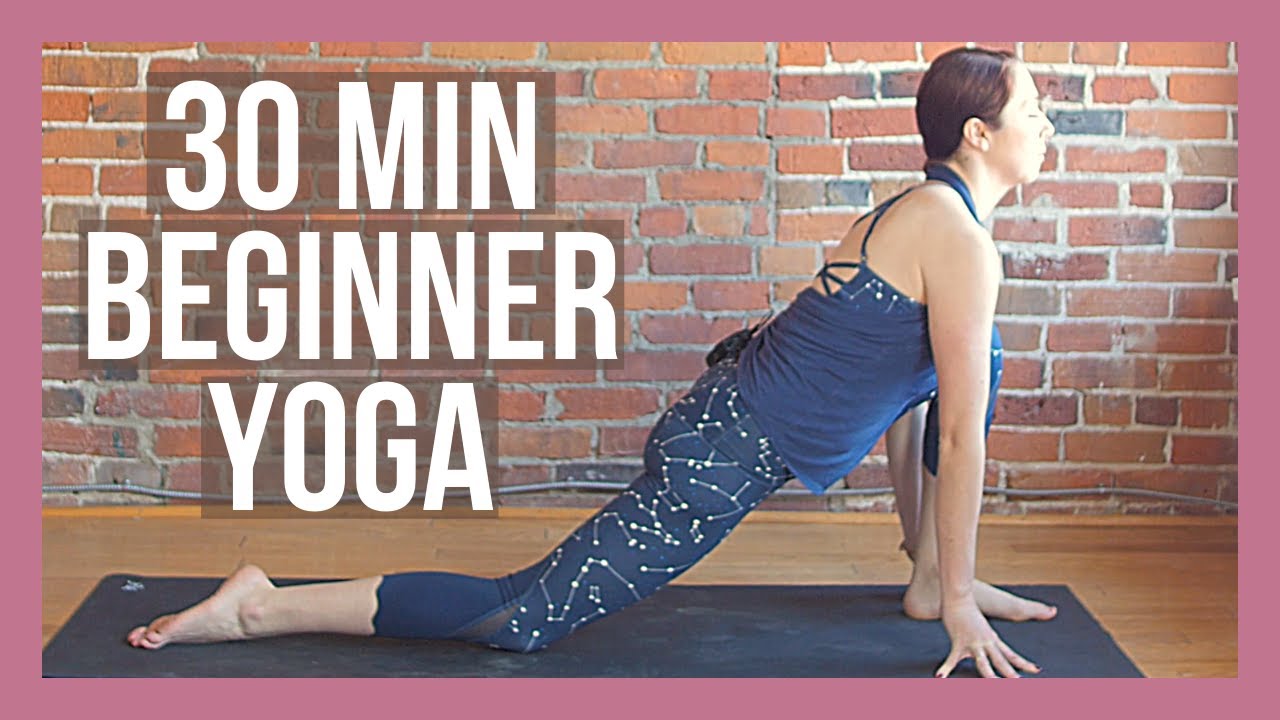
Mindfulness in Yoga: A Practical Approach
Mindfulness plays a pivotal role in non-religious yoga spirituality. It requires being present in each moment—an essential aspect that many practitioners strive for during their sessions. This practice enhances self-awareness by encouraging individuals to acknowledge their thoughts without judgment. Over time, this acceptance can lead to greater emotional stability.
Practicing mindfulness in yoga often begins with intention setting at the start of a session. Whether it's focusing on gratitude or letting go of stressors from daily life, these intentions act as guiding principles throughout the practice. By regularly identifying these intentions, practitioners can create a solid foundation for personal growth.
Additionally, incorporating meditation into yoga routines deepens the connection between mind and body. Meditation can take many forms—guided sessions, silent reflection, or even moving meditation through mindful sequences on the mat. Each method offers unique benefits but shares an overarching goal: fostering inner peace amidst external chaos.
The Connection Between Yoga and Meditation
While yoga is commonly recognized for its physical postures, its connection to meditation is equally vital for those exploring spirituality outside religious contexts. Both practices aim to quiet the mind and promote introspection.
Meditation teaches individuals how to observe their thoughts rather than becoming entangled in them. When combined with yoga practices that emphasize breath control and deliberate movement, meditation can exponentially enhance one’s ability to achieve inner calmness. Many people report experiencing heightened awareness during their yoga sessions when they integrate meditative techniques.
This symbiotic relationship between yoga read more and meditation lays the groundwork for deeper understanding within oneself—leading toward personal revelations about fears, desires, and aspirations.
Personal Growth Through Self-Awareness
Embracing non-religious spirituality within yoga opens doors for substantial personal growth rooted in self-awareness. By practicing consistently with an open mind, individuals often uncover layers of their personality previously hidden beneath everyday distractions.
Engaging with oneself through this lens allows practitioners to confront fears or insecurities head-on rather than avoiding them. For example, someone may struggle with feelings of inadequacy when attempting challenging poses; however, using this discomfort as an opportunity for reflection can yield powerful insights into underlying beliefs about self-worth.
The act of embracing challenges on the mat serves as a parallel for tackling obstacles in life outside the studio walls; thus reinforcing resilience—both mental and emotional—that translates beyond practice sessions.
Finding Meaning Beyond Exercise
Many people initially approach yoga purely as a form of exercise without considering its broader implications on life quality or overall wellbeing. However, as they delve deeper into practice—exploring concepts like mindfulness—their perception shifts dramatically toward seeing it as so much more than just physical activity.
For some practitioners seeking non-religious pathways through spirituality within yogic traditions might discover aspects like compassion towards others alongside newfound appreciation for themselves—a reminder that interconnectedness exists beyond simple interactions among people; it extends into nature too!
Incorporating acts such as volunteering or spending time outdoors nurtures these realizations while providing additional avenues where individuals may express newfound values inspired by their yogic journeys.
As more individuals recognize these connections between body movement & mental clarity along with enhancing connections among communities around them—it becomes evident why exploring non-religious forms of spirituality via yogic practices resonates deeply within contemporary society today!
Incorporating mindfulness techniques helps facilitate understanding oneself amid busy lives filled with distractions! Taking moments throughout each day—whether during morning stretches before work begins or winding down nightly routines—to reconnect ensures lasting benefits far beyond just physical fitness goals achieved through stretching alone!
Ultimately finding one’s path through non-religious spirituality via engaging fully within diverse facets offered by modern-day interpretations offers profound opportunities awaiting exploration!