The debate around stretching and yoga often brings forth a blend of curiosity, misunderstanding, and fervent opinions. Many enthusiasts wonder if yoga is merely an advanced form of stretching or if it stands as its own distinct practice. To unravel this, we must explore the nuances of both disciplines, their benefits, and how they interrelate.
Understanding the Basics
At first glance, stretching and yoga may appear similar. Both involve physical movements aimed at improving flexibility and range of motion. However, their underlying philosophies and methodologies set them apart.

Stretching primarily focuses on increasing muscle flexibility through targeted movements. It can be categorized into static stretching, where you hold a position for a specific duration, and dynamic stretching, which involves moving parts of your body through a full range of motion to prepare for activity. The goal here is often functional—improving athletic performance or reducing injury risk.
Yoga, on the other hand, encompasses a broader spectrum. While it includes elements of stretching through postures (asanas), it integrates breath control (pranayama), meditation, and philosophical principles to create a holistic practice. This combination aims not only at physical flexibility but also at mental clarity and emotional balance.
The Philosophical Divide
Yoga is steeped in ancient philosophy that emphasizes the connection between mind, body, and spirit. It encourages mindfulness, promoting awareness of one's thoughts and feelings during practice. This aspect often leads practitioners to experience greater emotional resilience and improved mental health.
In contrast, traditional stretching does not typically engage these philosophical elements. Its primary focus remains on physical outcomes rather than mental or spiritual growth. For instance, while you may stretch to loosen tight muscles before a workout or to relieve tension after sitting all day, these actions lack the reflective quality that characterizes yoga sessions.
Movement vs Static Practice
When comparing yoga movement to static stretching techniques like those found in physical therapy or fitness regimes, it's essential to note how each approach affects the body differently. Yoga poses often combine strength building with flexibility enhancement in dynamic sequences such as sun salutations. These sequences challenge various muscle groups while promoting balance and stability.
Static stretching usually targets specific muscle groups in isolation without engaging others simultaneously. For example, holding a quadriceps stretch will solely focus on the front thigh muscles without addressing the surrounding areas dynamically engaged during yoga practices.
This dynamic nature of yoga can lead to better overall body awareness—not just where you feel tightness but also how different parts relate to one another during movement.
The Benefits Offered by Each Practice
Both yoga and stretching offer unique benefits that cater to different needs:
Flexibility: Stretching can significantly improve muscle elasticity quickly when done consistently. Strength: Many yoga poses require muscular engagement that helps build strength alongside flexibility. Mental Clarity: Yoga's meditative aspects foster mindfulness that can reduce stress levels significantly. Balance: Practicing yoga enhances proprioception (the awareness of body position) more effectively than standard stretches. Injury Prevention: Dynamic stretches prepare muscles for activity; however, yoga's holistic approach addresses potential weaknesses by strengthening underused muscles.For someone focused solely on enhancing flexibility for sports performance—like a gymnast or dancer—traditional stretching might seem sufficient on its own. Yet athletes who incorporate yoga into their routine often discover enhanced recovery times due to its supportive breathing techniques and emphasis on relaxation.
Is Stretching Enough Exercise?
A common question arises around whether stretching alone constitutes sufficient exercise. While it does offer benefits like increased range of motion and relief from tension, it rarely elevates heart rates or builds significant endurance or strength when practiced independently.
Yoga provides more comprehensive conditioning because many styles incorporate cardiovascular elements through flow sequences that elevate heart rates while simultaneously improving flexibility and strength over time. Styles like vinyasa or power yoga are particularly effective in blending aerobic exercise with mindful movement.
Breath as an Essential Element
One distinctive feature of yoga is its integration of breath control into each posture—a concept almost non-existent in conventional stretching routines. Focusing on pranayama exercises trains practitioners to utilize breath effectively during challenging moments both on and off the mat.
Breath awareness deepens engagement within poses while facilitating relaxation during stressful situations outside practice hours—a feature absent in traditional stretches where breathing is less emphasized.
Conclusion: A Harmonious Relationship
While stretching may serve as an excellent standalone practice for certain goals like warming up before sports activities or soothing sore muscles afterward, it lacks some profound elements inherent in yoga—such as mindfulness integration and breathwork expertise which contribute significantly toward overall well-being.
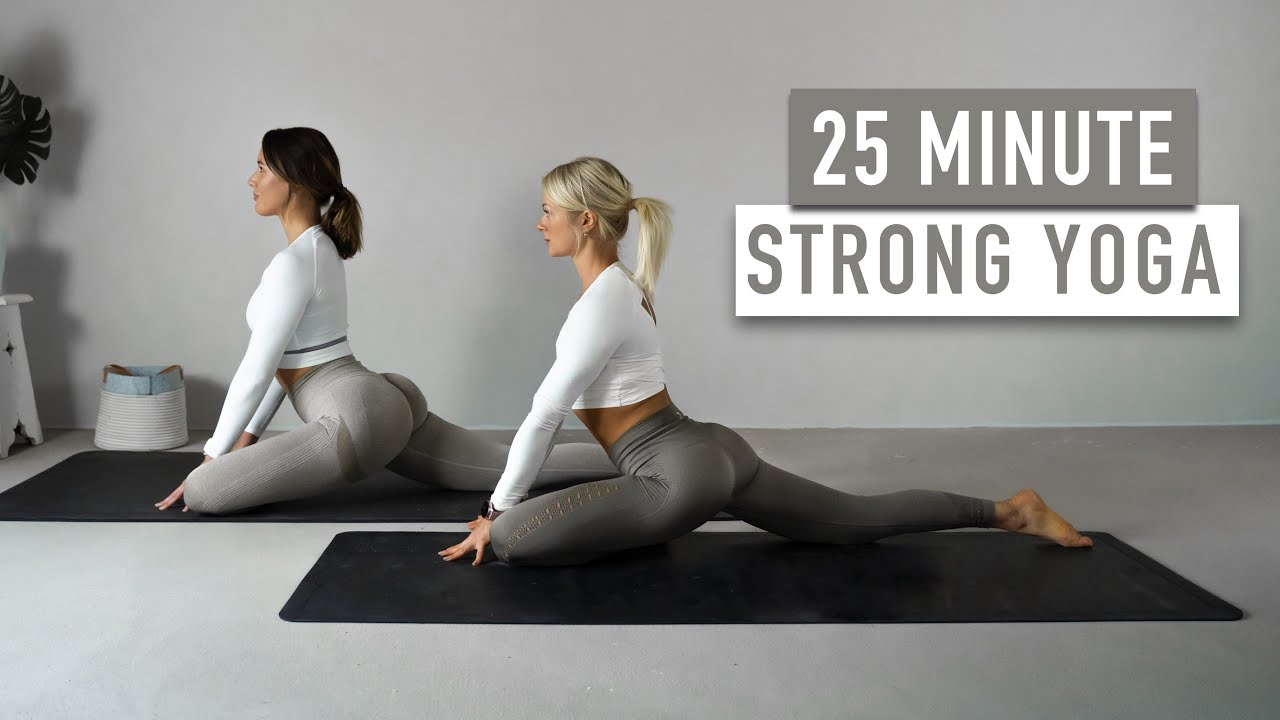
Ultimately, rather than viewing these practices as mutually exclusive entities battling for attention within your fitness routine—consider embracing them both! Incorporating targeted stretches alongside regular yoga practice creates a balanced regimen promoting greater physical health along with mental clarity—a harmonious relationship beneficial for mind-body connection Have a peek here seekers everywhere!